Top 10 Web Scraping Tools in 2026: Ultimate Guide for Data Lovers
Modern web scraping has evolved — discover the best tools for extracting structured data from the web in 2026.
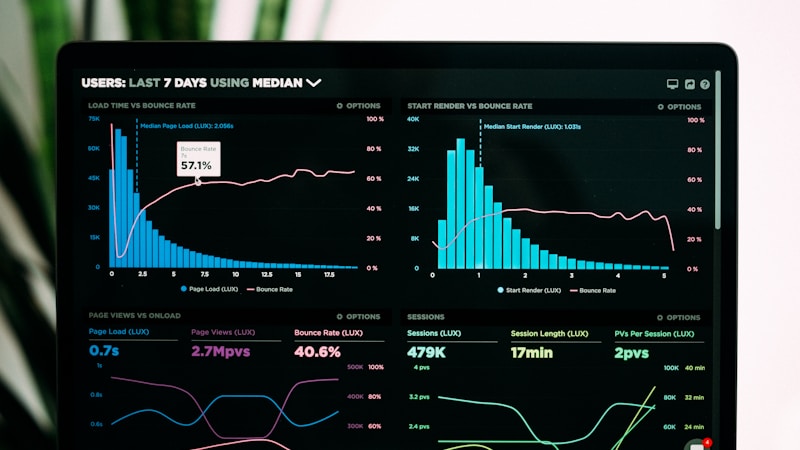
In today's data-driven world, pulling structured information from the web — be it pricing, reviews, search results, or competitor data — is critical for businesses, researchers, and developers alike. But modern web scraping has evolved significantly; websites use JavaScript, CAPTCHAs, and bot defense systems that make simplistic scrapers useless. The right tool can save hours of engineering time, improve reliability, and scale your projects.
In this guide, we'll explore the top 10 web scraping tools in 2026, spanning no-code platforms for non-tech users to powerful APIs and developer frameworks. We'll highlight what each tool does well, where they fall short, and typical use cases so you can pick the best fit for your project.
1. Zyte API — Best All-Around Web Scraping API
Zyte (formerly Scrapinghub) consistently tops industry benchmarks for reliability and throughput in 2026. It delivers parsed responses from even highly protected sites, often with higher success rates than alternatives.
Pros
- Excellent anti-bot bypassing and stability
- Fast average response times
- Ideal for production workloads
Cons
- Pricing can be steep for heavy volumes
- More complex integration than simple desktop tools
Best For: Developers and enterprises with high-data reliability needs.
2. ScraperAPI — Developer-Friendly API With Smart Proxy Handling
ScraperAPI continues to be extremely popular for teams that want to bypass proxies, CAPTCHAs, and retries without managing the infrastructure themselves.
Pros
- Handles IP rotation automatically
- Transparent credit-based pricing
- Clean HTML/json results with minimal setup
Cons
- Less granular control than full coding frameworks
- Credits can add up quickly on hard-to-scrape sites
Best For: Developers who want reliable scraping without proxy ops.
3. Decodo (Smartproxy) — Balanced API With Great Proxy Infrastructure
Decodo, formerly Smartproxy's scraping service, combines a powerful proxy pool with scraping APIs built to handle tough bot detection.
Pros
- Large, geographically diverse IP pool improves unblock rates
- Competitive pricing with solid performance
Cons
- Pricing can scale fast at higher tiers
- Requires some developer integration work
Best For: Teams that scrape globally and need stronger anti-bot performance.
4. Apify — All-in-One Web Scraping & Automation Platform
Apify is a cloud-based platform that supports custom JavaScript scrapers called Actors, and also offers a marketplace of reusable scraping agents.
Pros
- Prebuilt actors speed up common tasks
- Full support for headless browser tools like Puppeteer/Playwright
- Scheduling and cloud execution included
Cons
- Can be overwhelming for new users
- Free tier limits tasks and resources
Best For: Businesses needing flexible automation and custom logic.
5. Octoparse — No-Code Scraping for Non-Developers
Octoparse remains a favorite for analysts and marketers who want to scrape without writing code, using a visual drag-and-drop workflow.
Pros
- Easy visual interface
- Cloud extraction and scheduling
- Templates for common sites
Cons
- Struggles with the most advanced bot defenses
- Can become costly at scale
Best For: Non-technical users and small scraping projects.
6. ParseHub — Visual Tool With Strong Dynamic Content Support
ParseHub offers similar no-code scraping with both desktop and cloud execution, and handles JavaScript and AJAX websites fairly well.
Pros
- Works well with dynamic, JS-heavy sites
- Multiple export options (CSV, JSON, Excel)
Cons
- Slower on large jobs compared to API solutions
- Limited free plan
Best For: Small to medium teams needing visual workflows.
7. Scrapy — Flexible Open-Source Framework for Developers
Scrapy is one of the longest-standing open-source web scraping frameworks, beloved by developers for its speed, modularity, and flexibility.
Pros
- Fast, asynchronous scraping
- Highly customizable
- Completely free and extensible
Cons
- Requires strong Python skills
- Doesn't manage proxies or CAPTCHAs out-of-the-box
Best For: Developers building custom crawlers.
8. Selenium / Playwright — Browser Automation for Tough Jobs
For the most resilient scraping — especially pages requiring interaction, login, or heavy JavaScript — browser automation lets you control a full browser.
Pros
- Mimics real user behavior, bypassing many anti-bot systems
- Supports complex workflows
Cons
- Resource-intensive and slower
- Requires coding and orchestration
Best For: Dynamic sites where other methods fail.
9. Bright Data — Enterprise-Grade Scraping & Proxy Platform
Bright Data is known for its massive proxy networks and enterprise scraping tools — including APIs tailored to specific use cases like SERP or e-commerce.
Pros
- Huge IP pool and flexible proxy options
- Advanced automation and dataset tools
Cons
- One of the most expensive solutions
- Might be overkill for small projects
Best For: Enterprise data extraction at scale.
10. Chrome Extensions (Web Scraper / Instant Data Scraper) — Quick & Free Options
If you just need quick, small scrapes without infrastructure headaches, browser extensions like Web Scraper or Instant Data Scraper work directly in Chrome.
Pros
- Free or very cheap
- Point-and-click interface
Cons
- Not suitable for large or frequent jobs
- Limited anti-bot capabilities
Best For: Casual or one-off scraping tasks.
How to Choose the Right Tool
There's no single "best" scraper — it depends on your goals:
- 🧠 Developer Projects: Scrapy, Selenium/Playwright, Zyte API
- 🧑💻 API-First Automation: ScraperAPI, Decodo, Bright Data
- 🖱️ No-Code Needs: Octoparse, ParseHub
- 🆓 Quick One-Off Tasks: Browser extensions
Quick rule: If websites use heavy anti-bot systems and JavaScript, opt for browser automation or strong APIs. For simple static pages, lightweight tools like Scrapy or extensions suffice.
Conclusion
The web scraping landscape in 2026 offers far more sophisticated tools than ever before. From AI-ready APIs to no-code platforms, teams of any skill level can find a solution — but it's important to match your scale, budget, and technical comfort to the right tool. Whatever you choose, remember to scrape responsibly: respect robots.txt, rate limits, and site terms of service to avoid legal or ethical issues.
Ready to start scraping smarter in 2026? Pick a tool above, test it on your project, and refine as you scale!